Social Housing Friedrich-Engels-Platz
Back
Location number: 1200008
Gemeindebau
Innenhof
Lift
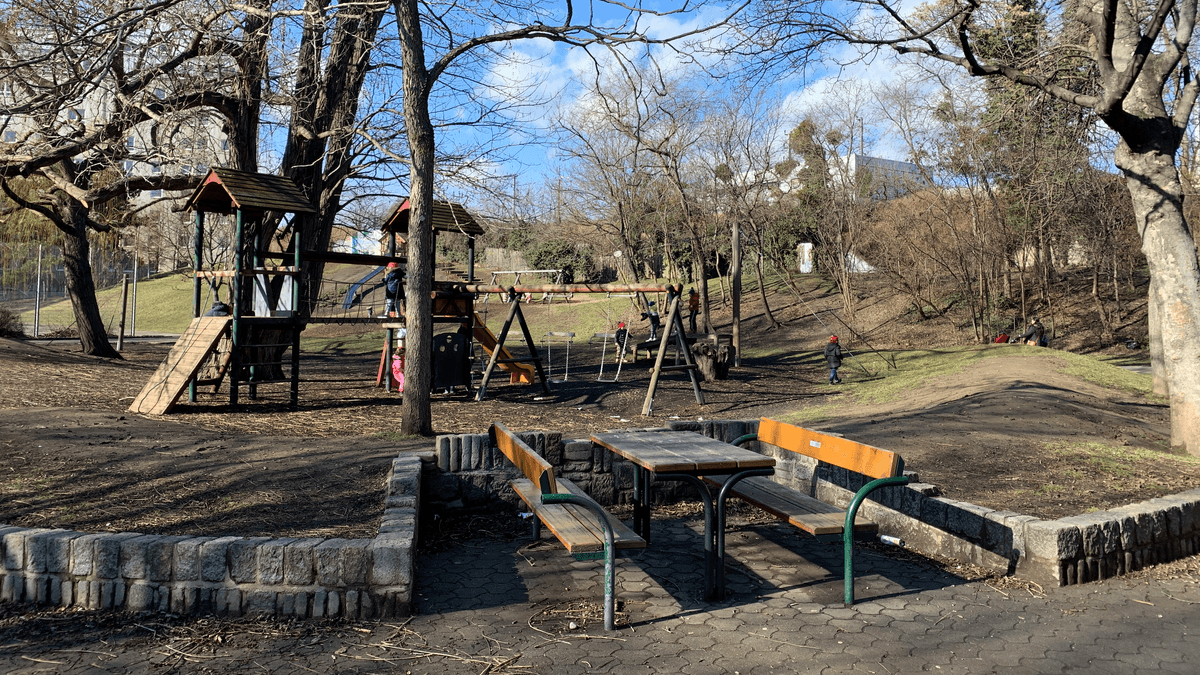
Spielplatz
Stiegenhaus
Wohnhausanlage
1930er
Innen- & Außenbereich
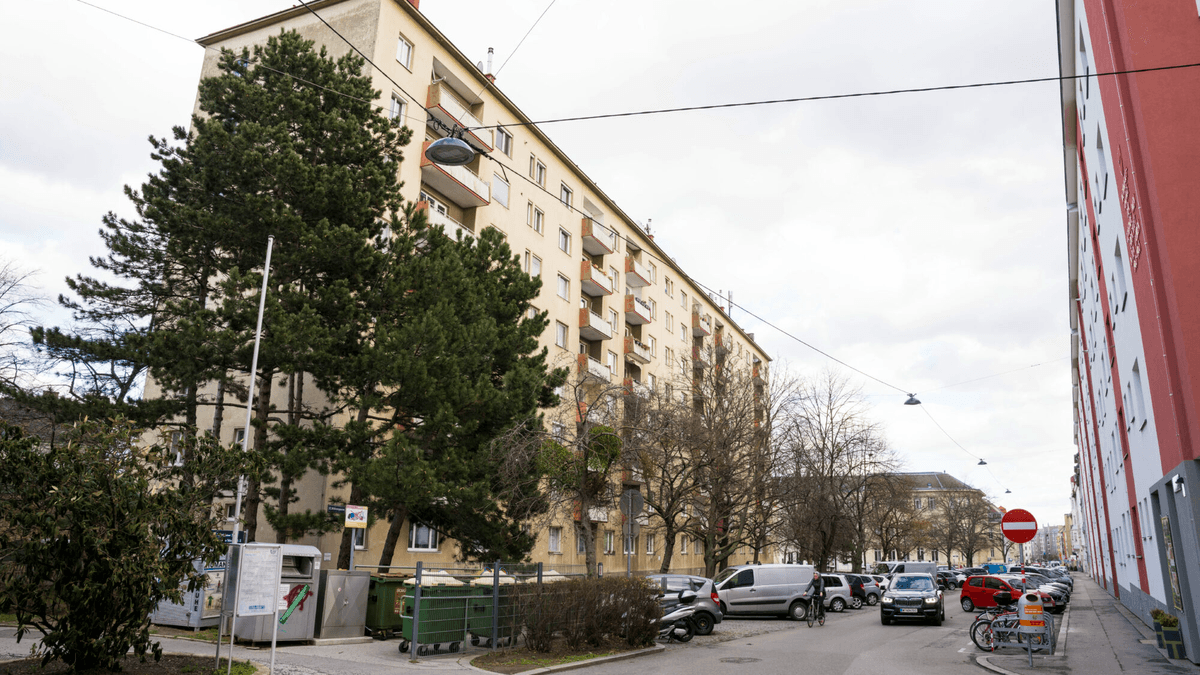
The housing complex is located in the former Danube floodplains and, after the Sandleitenhof in Ottakring, is the second-largest residential building of Red Vienna. Originally planned on a much larger scale by Rudolf Perco, it had to be reduced from around 2,300 to about 1,400 apartments for cost reasons. Its ceremonial opening in 1933 became a major political event for the Viennese Social Democrats, before the complex, due to its strategic location at the Floridsdorfer Bridge, became the site of the bloody February struggles a few months later. The monumentality of many interwar housing projects traces back to the school of Otto Wagner, whose ideas Rudolf Perco followed at Friedrich-Engels-Platz, applying a strict “ideal city” layout in line with the expressionist vision of the city government at the time. Particularly striking is the constructivist-monumental gate complex with residential towers, tall corner risalits, flagpoles, and continuous balconies, which emphasize the representative character of the entrance. The spacious, functionally designed courtyards with green areas, along with the geometrically articulated façades, are accented by balcony and gate railings as well as distinctive details such as the laundry building with its tall chimney and the prominently visible clock. Plaster bands, balcony boxes, and differently designed balcony and gate railings with constructivist details create additional accents on the façades, while animal motifs are placed in front of the main entrance. The square is named after the historian and philosopher Friedrich Engels (1820–1895), who, together with Karl Marx, developed Marxist social theory and published the “Communist Manifesto” in 1848.