Social Housing - Rabenhof
Back
Location number: 1030008
Gemeindebau
Innenhof
Stiegenhaus
Stiege
Wohnhausanlage
1920er
Innen- & Außenbereich
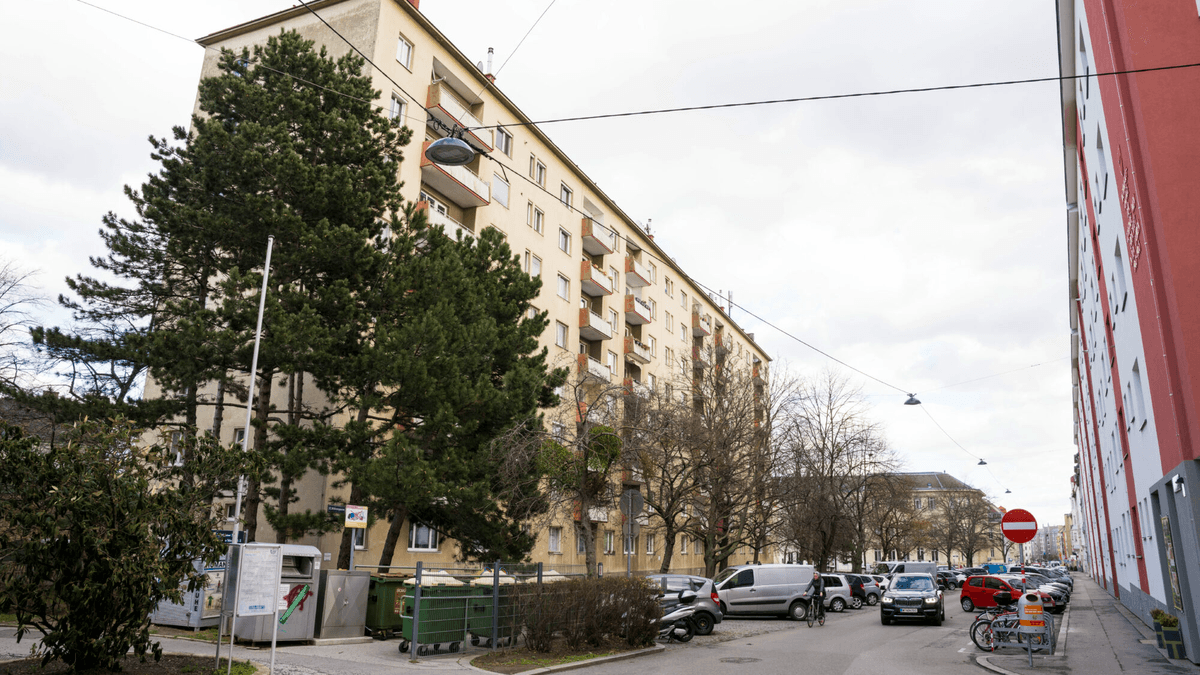
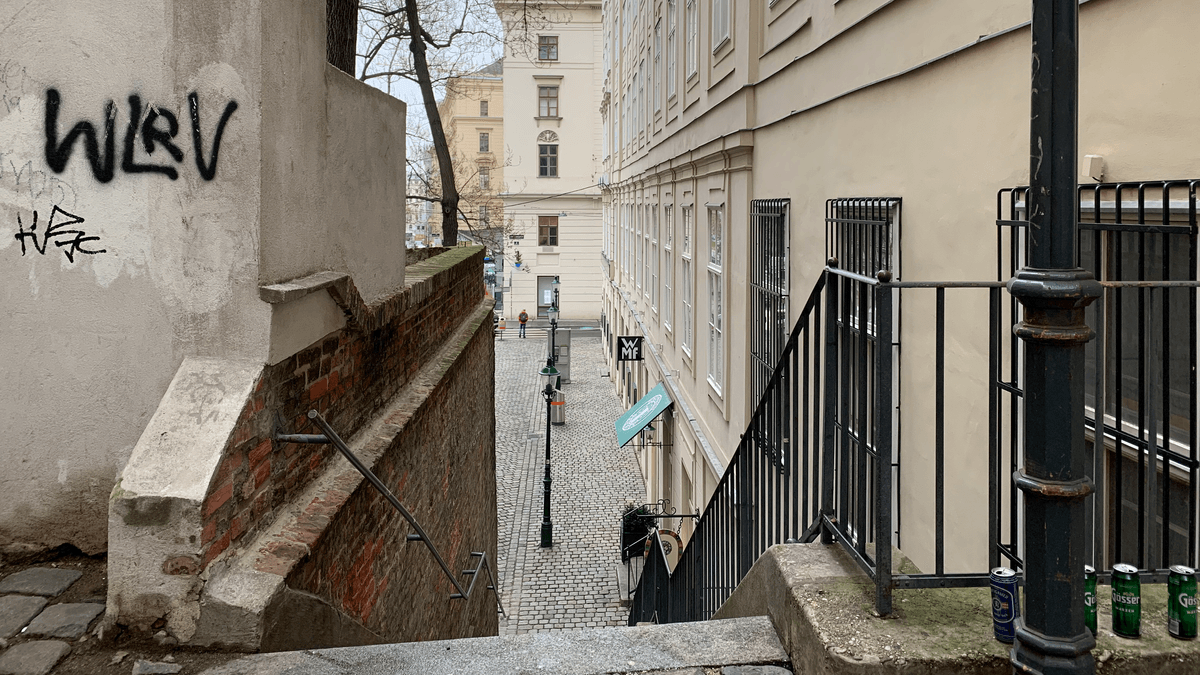
The Rabenhof, originally called “Austerlitz-Hof,” was built between 1925 and 1928 in Vienna’s 3rd district on the site of the former Krimsky Barracks, with around 1,100 apartments and 38 shops. In 1934, the federal army occupied the complex during the civil war, leading to deadly clashes. During World War II, the upper floors were damaged by bombs. The Rabenhof is not a monumental building in the style of Otto Wagner, but arose from different heights and construction phases as a complex series of residential and garden courtyards with varied façades, passages, and staircases, giving the impression of an open fortress. The façades, with cornices, brick surfaces, and architectural details, create a distinctive atmosphere with horizontal and vertical movement. In 1987, elevators and modern elements such as glass components, floating cubes, and colorful accents were added, further enriching the architecture. The courtyards feature the stone sculpture “Musizierende Kinder” (1959) by Margarete Hanusch and the bronze figure “Tanzende” (1930) by Otto Hofner. In addition, the brick surfaces, loggias, and balconies display numerous expressionist patterns and details that enhance the design of the complex. The complex was originally named after Friedrich Austerlitz, but after the February 1934 clashes it was renamed “Rabenhof,” and this name remained in use even after World War II.