Social Housing Wachauer Hof
Back
Location number: 1020013
Gemeindebau
Innenhof
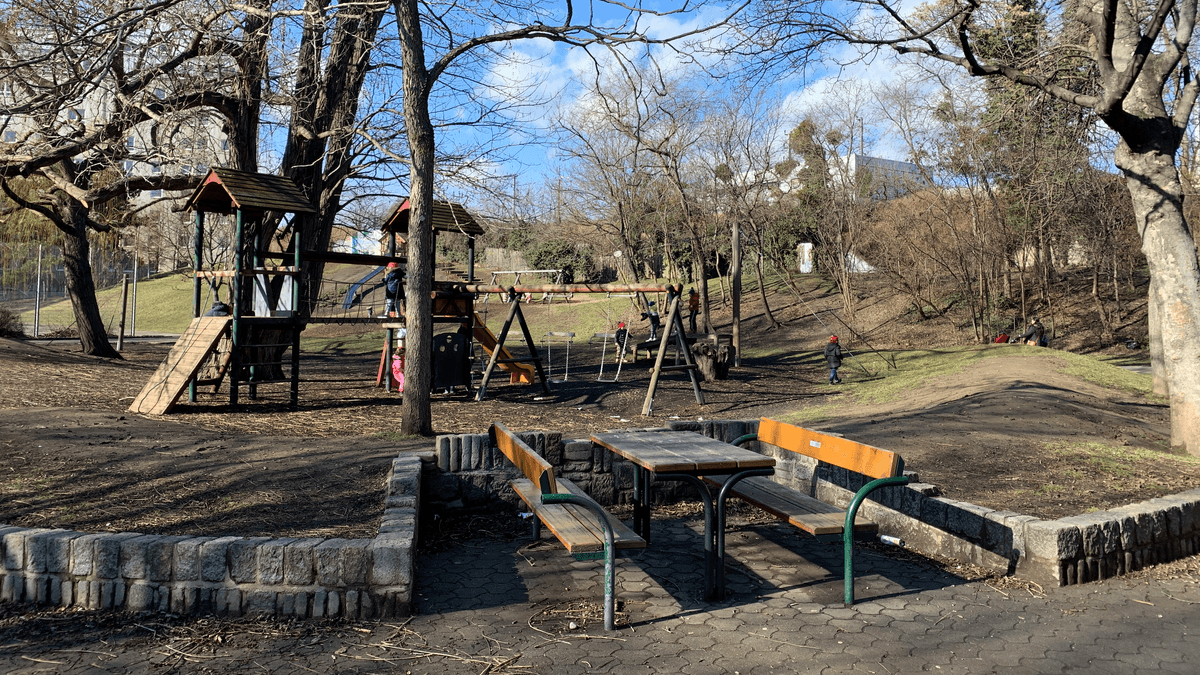
Spielplatz
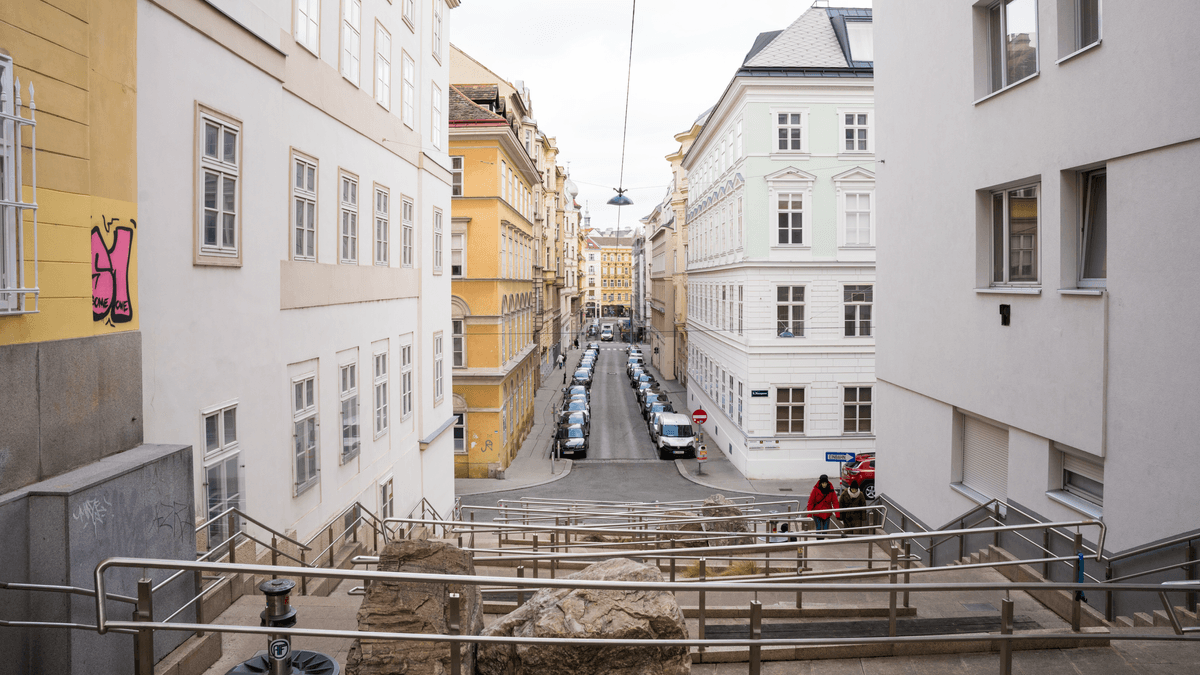
Stiege
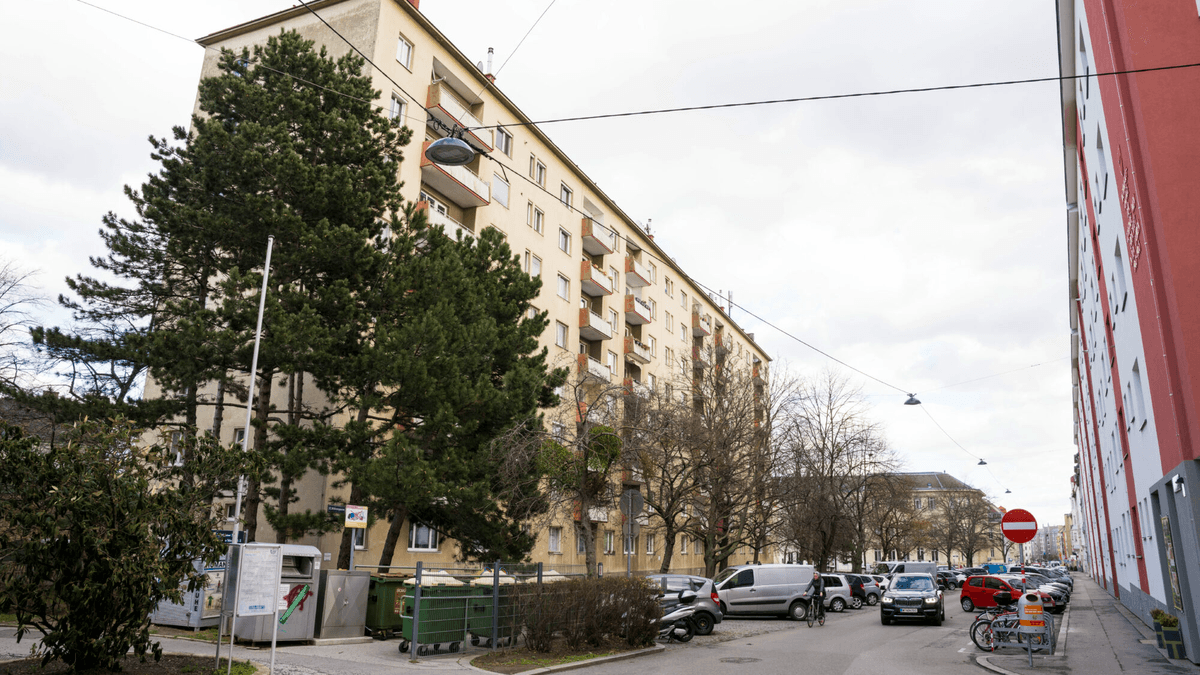
Wohnhausanlage
1920er
Innen- & Außenbereich
After the end of the First World War, the Social Democratic Party became the leading political force in Vienna’s City Hall, and in 1922 Vienna became an independent federal state—marking the beginning of “Red Vienna.” Through extensive reforms in healthcare and education, as well as a large housing program launched in 1923, 63,000 modern municipal apartments with numerous communal facilities were built, forming a clear contrast to the old tenement buildings. Originally, the complex included five shops, two workshops, a kindergarten, and bathing facilities. Later, the number of shops was reduced to two, the kindergarten was converted into a parent counseling center, and a general medical practice was added. Unlike many municipal housing blocks of that period, the Wachauerhof does not appear monumental but rather romantic and rooted in local tradition. The inviting, almost rural-looking entrance portal to the inner courtyard, along with bay windows, loggias, and subtle façade ornaments, structures the building and makes it appear lower in height. The main portal is decorated with the ceramic panel “Two Scouts,” a biblical motif from the Wachau coat of arms depicting two men carrying grapes. Additional reliefs show “The Four Stages of Life” with a grape harvest scene, “Light and Darkness” featuring zodiac signs and a sundial, and two classically styled nude boys on the façade facing Vorgartenstraße. The courtyard was named after the Lower Austrian region of Wachau—the Wachau coat of arms at the main entrance recalls the area’s wine-growing tradition.